Introduction
To the casual observer, the tractor is the undisputed star of the modern farm field. It is large, powerful, visually striking, and commands the lion's share of an equipment budget. However, seasoned agricultural professionals know a fundamental truth: a tractor on its own is little more than an expensive, heavy-wheeled power source. Without a way to interface with the soil, crops, or livestock, it cannot execute actual farm work. The true muscle, precision, and productivity of agriculture reside in the specialized tools hitched to the machine's frame. These tools are collectively known as agricultural implements.
By definition, an agricultural implement is any device, attachment, or piece of machinery designed to complement a tractor to perform a specific farming operation. The history of farming can be viewed as the continuous evolution of these attachments-moving from horse-drawn wooden plows to high-tech, digitally integrated machinery. Today, selecting the right agricultural implement is just as critical as choosing the tractor itself. This comprehensive guide provides a deep dive into the essential categories of attachments, how they connect to your power supply, and how to safely match them to your tractor to build an efficient agricultural system.
Categorizing Agricultural Implements by Primary Farming Function
The sheer variety of farm attachments can be dizzying. To navigate this vast ecosystem, it helps to categorize each agricultural implement by the specific stage of the crop lifecycle or farming operation it supports.
Soil Preparation and Tillage Implements
Before a single seed can be placed in the ground, the soil must be managed to create an ideal environment for root growth. Tillage implements prepare the land by breaking up compacted dirt, burying crop residue, and controlling weeds.
Moldboard Plows
The classic primary tillage tool, designed to slice into the earth, lift the soil column, and completely flip it over, burying pests and old organic material deep underground.
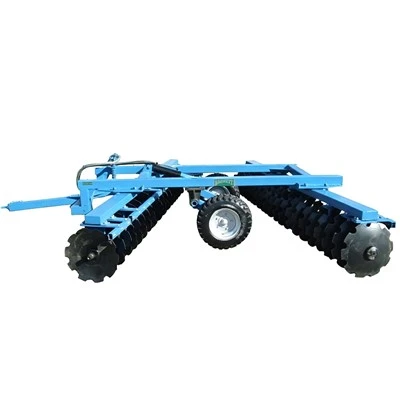
Disc Harrows
These attachments utilize a series of rotating steel discs to chop up remaining stalks and break down large clovers of dirt into a smooth, fine seedbed.
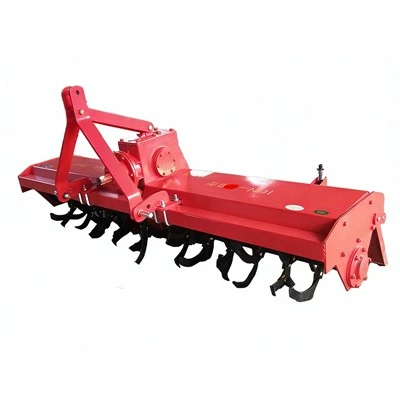
Rotary Tillers
A PTO-driven agricultural implement that uses L-shaped blades to aggressively pulverize the soil, making it highly popular for vegetable operations and market gardens.
Planting, Seeding, and Chemical Application Implements
Once the seedbed is smooth, the next step requires incredible spatial accuracy. Modern planting attachments ensure that inputs are distributed evenly to maximize potential crop yields.
Row Planters
Designed specifically for crops like corn, cotton, or sunflowers, these implements cut a precise groove in the soil, drop an individual seed at a perfectly metered distance, press it down, and close the trench behind it.
Grain Drills
Used for close-seeded crops like wheat, alfalfa, or oats, grain drills distribute seeds across a wider, more continuous pattern.
Broadcast Spreaders and Booms
These implements apply granulated fertilizers or liquid crop-protection chemicals across wide swaths of land, keeping emerging plants nourished and free of destructive weeds.
Harvesting, Hay Production, and Forage Implements
For livestock operations and cash-crop producers, harvesting forage before seasonal weather changes occur is a critical annual race.
Disc Mowers and Conditioners
These tools use high-speed rotating discs to cut standing grass or alfalfa, then run the crop through internal rollers to crack the stems, speeding up drying times.
Hay Rakes
After drying, a rake compiles the loose forage into neat, structured rows called windrows.
Balers
This complex agricultural implement gathers the windrowed forage from the ground, compresses it under immense pressure, and wraps it tightly with twine or net wrap to form transportable round or square bales.
Material Handling and Property Maintenance Attachments
Not all farm work revolves around field crops. A massive portion of daily agricultural life consists of lifting heavy inputs, maintaining pasture boundaries, and managing farm infrastructure.
Front-End Loaders and Lifting Implements
The front-end loader is arguably the most common agricultural implement found on small-to-medium tractors. It consists of hydraulic arms mounted to the tractor's mid-frame, allowing the operator to lift loads high into the air. The versatility of the loader increases dramatically when using quick-attach systems to swap out the front bucket for specialized attachments:
Pallet Forks
Essential for unloading heavy pallets of seed, stacked fertilizer bags, and heavy equipment parts from delivery trucks.
Bale Spears
Long, high-tensile steel spikes engineered to pierce the center of massive hay bales, allowing them to be safely transported to feeding rings.
Landscaping, Mowing, and Brush Clearing Tools
Pastures, road edges, and ditch lines must be kept clear to prevent invasive woody plants from choking out desirable grazing grasses.
Rotary Cutters (Brush Hogs)
Unlike standard lawn mowers, a rotary cutter features thick, heavy, free-swinging steel blades designed to smash through thick brush, saplings, and overgrown fields without dulling or breaking.
Box Blades
A rear-mounted steel box with adjustable metal teeth (scarifiers) that scrapes, levels, and finishes dirt, gravel driveways, or arena surfaces.
Winter Maintenance and Earthmoving Equipment
Farming does not stop when the snow flies or when new structures need to be built.
Snow Blowers and Blades
Front- or rear-mounted implements that utilize a tractor's hydraulic or mechanical power to clear long farm lanes and livestock feeding areas during winter storms.
Post-Hole Diggers
An auger system connected to the tractor's rear hitch that uses rotational force to drill deep holes into the ground, saving immense manual labor when installing miles of farm fencing.
Connection Systems: How Implements Interface with the Tractor
An agricultural implement can only perform its job if it can effectively receive mechanical, hydraulic, or structural power from the tractor. There are three primary connection systems used in modern agriculture.
The Three-Point Hitch
Invented in the mid-20th century, the three-point hitch is the industry standard for securing rear-mounted implements. It forms a triangle of support using two lower lift arms and one adjustable top link. This configuration allows the tractor's internal hydraulics to lift the entire weight of the implement completely off the ground for easy transport. Three-point hitches are standardized across the industry into four different categories (Category 1 through Category 4) based on the tractor's horsepower and the physical diameter of the hitch pins.
The Power Take-Off (PTO) Shaft
While the three-point hitch handles the structural weight, the PTO shaft provides the rotational energy needed to drive moving parts inside an implement. Located at the rear of the tractor, this splined shaft rotates at standardized speeds (typically 540 or 1,000 revolutions per minute). A matching drive shaft from the agricultural implement slides onto the tractor's PTO, transferring raw engine torque directly to tools like balers, tillers, and rotary cutters.
Hydraulic Remotes and Drawbar Pull Connections
For large, heavy implements that are too heavy to lift with a three-point hitch-such as multi-row planters or heavy industrial disks-a simple drawbar pin connection is used. These tools roll on their own integrated transport wheels. To operate their complex internal mechanisms, flexible hoses are plugged directly into the tractor's rear hydraulic remote valves. This setup allows the tractor's internal hydraulic pump to send pressurized fluid down the lines, letting the operator raise, lower, or fold the heavy attachment using electronic switches inside the cab.
Crucial Factors for Matching Implements to Your Tractor
Choosing the right type of attachment is only half the battle; you must also ensure that the implement safely matches the mechanical capabilities of your specific tractor model.
Balancing Horsepower Requirements
Every commercial agricultural implement comes labeled with a recommended horsepower range. When checking these numbers, always pay close attention to whether the tool requires engine horsepower or PTO horsepower. A heavy rotary cutter might require a minimum of 40 PTO horsepower to operate smoothly in thick brush. If your tractor produces 45 horsepower at the engine but only 36 horsepower at the rear PTO shaft, the engine will overheat, shudder, and likely stall out when the implement hits thick vegetation.
Weight, Ballasting, and Structural Lifting Limits
A tractor must always maintain stable contact between its front tires and the ground to allow for safe steering. If you attach a rear implement that is too heavy for your tractor's chassis, the front end of the machine will lift off the ground, causing a complete loss of control or a dangerous rear rollover. To prevent this, you must consult your tractor's maximum three-point lift capacity and add suitcase weights to the front bumper or liquid ballast to the front tires to counteract the weight of the rear implement.
Hydraulic Flow Rates and Digital Compatibility
Modern smart implements require more than just raw physical muscle; they require proper oil flow and electronic communication.
Hydraulic Gallons Per Minute (GPM)
Many advanced attachments, such as hydraulic continuous-flow bale wrappers or pneumatic seeders, require a high, steady volume of oil to run efficiently. If your utility tractor's hydraulic pump has a low GPM rating, the implement will operate sluggishly or fail to run at all.
ISOBUS Compatibility
If you are investing in high-tech precision agriculture tools, ensure both your tractor's computer console and the agricultural implement utilize standardized ISOBUS plugs. This digital connection allows the tractor and attachment to share data seamlessly, automating seed and fertilizer distribution based on GPS field maps.
Conclusion
The modern tractor is a magnificent engineering marvel, but its true utility is unlocked by the agricultural implement attached to it. From the essential tillage tools that break open the soil in the spring, to the advanced seeders that plant with sub-inch accuracy, and the heavy-duty loaders that handle daily farm chores, these attachments are the true drivers of modern food production.
Building the perfect machinery lineup requires looking at your land not as a place to drive a tractor, but as a series of specific tasks that need solving. By carefully understanding the functional categories of farm attachments, mastering how they connect to your power supply, and respecting the horsepower, weight, and hydraulic limits of your equipment, you can assemble a safe, efficient, and highly profitable agricultural toolkit. Investing in the right implements ensures that every hour spent in the tractor cab delivers maximum productivity for your property.